
This creamy Butternut Squash & Sage Pasta combines roasted squash, crispy sage, Parmesan, garlic, and buttery fall flavors for an easy, cozy autumn dinner.
Total Cooking Time: 40 minutes
Prep Time: 15 minutes
Cooking Time: 25 minutes
Servings: 4
Difficulty Level: Easy
Estimated Calories: Approximately 420 calories per serving
When cool autumn evenings arrive and the kitchen starts calling for something warm, creamy, and comforting, Butternut Squash & Sage Pasta is exactly the kind of dinner that fits the mood. It combines naturally sweet roasted butternut squash with fragrant sage, garlic, Parmesan, and butter to create a pasta dish that tastes luxurious without requiring complicated techniques.
Picture cubes of golden-orange squash coming out of the oven with lightly caramelized edges and tender centers. Fresh sage leaves become wonderfully crisp in bubbling butter, releasing their earthy aroma throughout the kitchen. Once everything meets hot pasta and freshly grated Parmesan, the squash transforms into a velvety sauce that clings to every curve and ridge.
The finished pasta is a beautiful mix of colors and textures: golden squash, glossy noodles, green sage, snowy Parmesan, and optional toasted nuts scattered over the top. It is creamy without feeling overwhelmingly heavy, slightly sweet yet savory, and filled with the unmistakable flavors of fall.
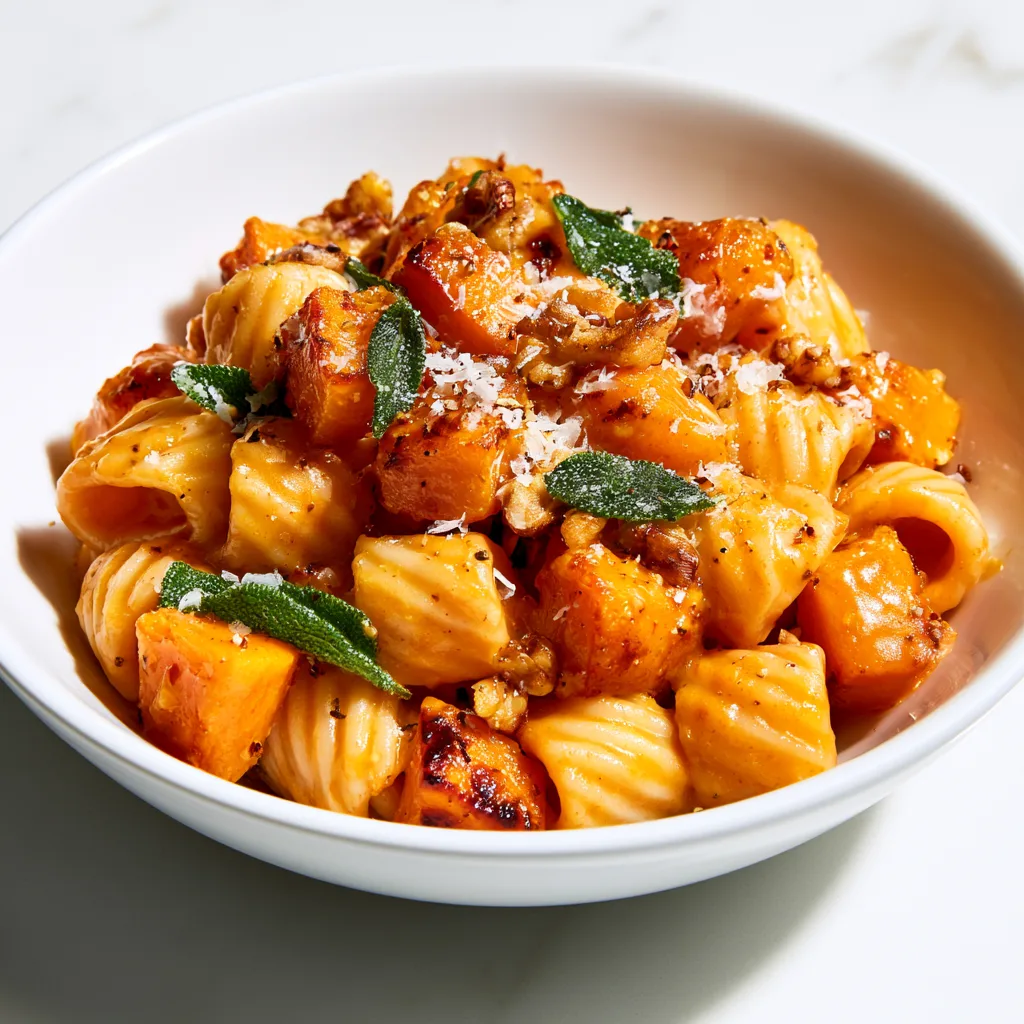
Why This Creamy Butternut Squash Pasta Is Special
What makes this butternut squash pasta recipe so satisfying is the balance between simple ingredients and rich flavor. Roasting the squash instead of boiling it concentrates its natural sweetness while creating caramelized edges. Some cubes can remain whole for texture, while others are mashed directly into the skillet to form the base of the sauce.
Sage is the perfect partner for squash because its woodsy, peppery aroma cuts through the sweetness. Butter adds richness, garlic provides savory depth, and Parmesan contributes the salty, nutty finish that brings everything together. A tiny pinch of nutmeg adds warmth without making the dish taste noticeably spiced.
It is also wonderfully flexible. Serve it for a relaxed weeknight dinner, an autumn gathering, a cozy date night, or even a vegetarian holiday meal. Children may enjoy the naturally sweet and creamy squash sauce, while adults can dress their portions up with crispy sage, toasted walnuts, cracked pepper, or browned butter.
At approximately 420 calories per serving, depending on the pasta, cream, cheese, and toppings used, it can also become a satisfying seasonal meal without requiring an elaborate side dish.
Key Ingredients for Butternut Squash and Sage Pasta
A relatively short ingredient list creates impressive layers of flavor in this fall pasta. Here is what you will need and why each ingredient matters.
12 oz pasta – Fettuccine, rigatoni, penne, or another favorite shape provides the hearty foundation. Ridged pasta is especially good at catching the creamy squash sauce.
3 cups butternut squash, peeled and cubed – The star ingredient provides gorgeous orange color, subtle nuttiness, natural sweetness, and a creamy texture when mashed.
3 tablespoons olive oil – Helps the squash caramelize in the oven while adding richness to the finished sauce.
2 tablespoons unsalted butter – Creates the luxurious base for frying the sage and complements the sweet, nutty character of roasted squash.
2 garlic cloves, minced – Adds savory depth and a fragrant contrast to the sweeter squash.
8–10 fresh sage leaves – Fresh sage gives the pasta its distinctive autumn aroma. Frying the leaves briefly makes them delicate and crisp.
½ cup grated Parmesan cheese – Adds saltiness, nuttiness, and body while helping the sauce cling beautifully to the pasta.
½ cup heavy cream, optional – Makes the sauce especially silky and indulgent. It can be omitted for a lighter squash-forward version.
1 cup reserved pasta water, as needed – The starchy cooking water helps loosen and emulsify the sauce so it becomes glossy rather than thick or dry.
½ teaspoon salt, plus more for pasta water – Enhances the squash’s sweetness and balances the creamy ingredients. Adjust according to the saltiness of your cheese.
¼ teaspoon freshly ground black pepper – Adds gentle heat and complexity.
⅛ teaspoon ground nutmeg – A small pinch brings subtle warmth and pairs beautifully with squash and cream.
¼ cup chopped walnuts, optional – Introduces crunch and an earthy, toasted flavor that complements the sage.
2 tablespoons toasted pine nuts, optional – An alternative to walnuts that provides delicate buttery crunch.
2 tablespoons extra Parmesan for serving – A final shower of cheese makes each bowl look generous and adds another savory layer.
1 tablespoon browned butter, optional – Drizzled over the finished pasta, browned butter contributes deep, toasted, almost hazelnut-like notes.
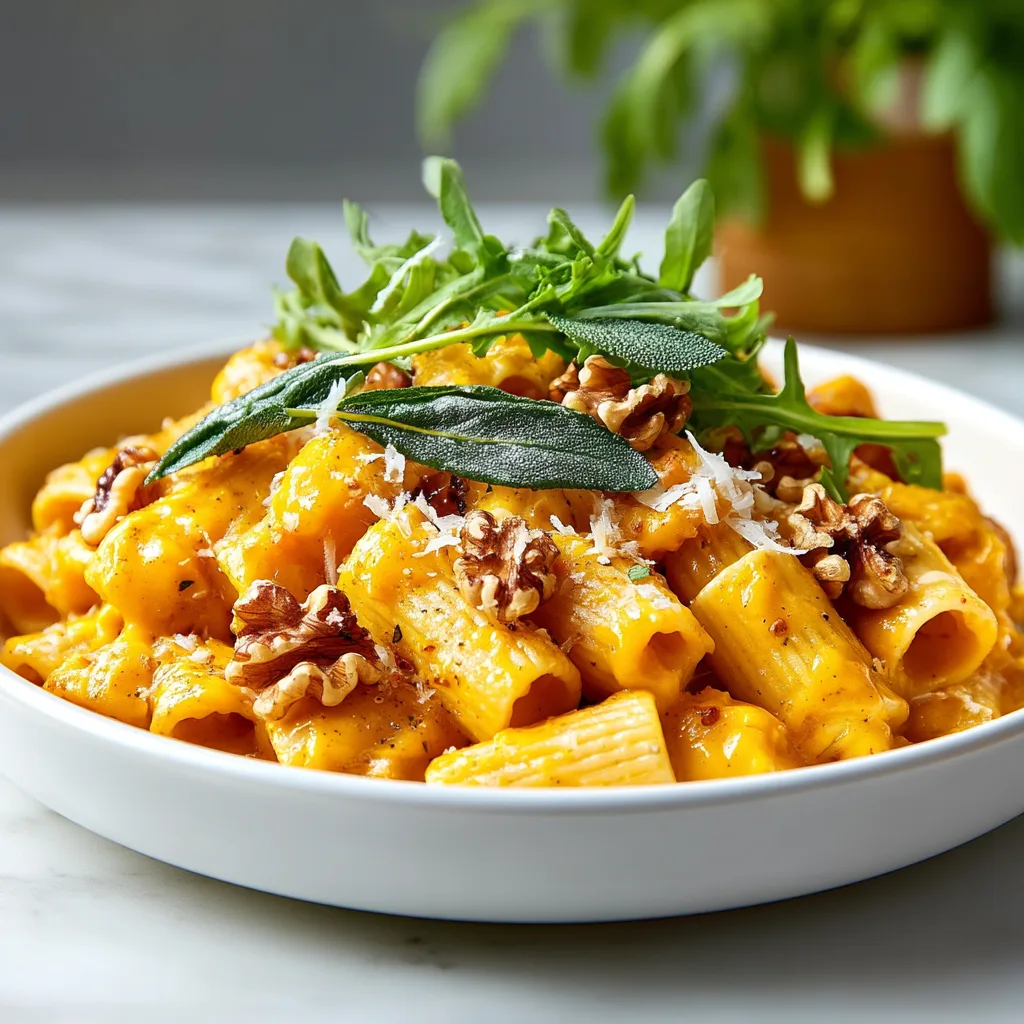
Butternut Squash & Sage Pasta: 6 Easy Steps to Cozy Perfection
- Total Time: 40 minutes
- Yield: 4 servings 1x
- Diet: Vegetarian
Description
Creamy Butternut Squash & Sage Pasta combines caramelized roasted squash, crispy fresh sage, garlic, Parmesan, and butter in a silky autumn pasta sauce. It’s an easy vegetarian dinner that’s warm, comforting, and ready in about 40 minutes.
Ingredients
- 12 oz pasta, such as fettuccine, rigatoni, or penne
- 3 cups butternut squash, peeled and cut into 3/4-inch cubes
- 3 tablespoons olive oil, divided
- 2 tablespoons unsalted butter
- 2 garlic cloves, minced
- 8–10 fresh sage leaves
- 1/2 cup grated Parmesan cheese
- 1/2 cup heavy cream, optional
- 1 cup reserved pasta water, as needed
- 1/2 teaspoon salt, plus more for pasta water
- 1/4 teaspoon freshly ground black pepper
- 1/8 teaspoon ground nutmeg
- 1/4 cup chopped walnuts, optional
- 2 tablespoons toasted pine nuts, optional
- 2 tablespoons extra Parmesan, for serving
- 1 tablespoon browned butter, optional, for serving
Instructions
1. Preheat the oven to 400°F (200°C). Toss the cubed butternut squash with 1 1/2 tablespoons olive oil, a pinch of salt, and black pepper. Spread in a single layer on a baking sheet and roast for 20-25 minutes until tender with caramelized golden edges.
2.
3. Bring a large pot of generously salted water to a boil. Add the pasta and cook according to package directions until al dente. Reserve 1 cup of pasta cooking water before draining. Do not rinse the pasta.
4.
5. Heat the remaining olive oil and 2 tablespoons butter in a large skillet over medium heat. Add the fresh sage leaves and fry for about 30 seconds per side until crisp. Transfer the sage to a plate.
6.
7. Reduce the heat to medium-low. Add the minced garlic to the sage-infused butter and cook for 30-60 seconds until fragrant. Add the roasted squash and gently mash about half of it, leaving the remaining cubes intact. Stir in the heavy cream, if using, and about 1/4 cup reserved pasta water. Season with nutmeg, black pepper, and salt to taste.
8.
9. Add the drained pasta to the skillet and toss well. Gradually add the Parmesan while tossing. Add small splashes of reserved pasta water as needed until the sauce looks silky and evenly coats the pasta. Cook over low heat for another 1-2 minutes.
10.
11. Remove from the heat and rest for 1 minute. Divide among bowls and garnish with crispy sage, extra Parmesan, black pepper, toasted walnuts or pine nuts, and optional browned butter. Serve immediately.
Notes
- For the best caramelization, spread the squash in one layer and avoid overcrowding the baking sheet.
- Reserve the pasta water before draining because its starch helps create a smooth, glossy sauce.
- Heavy cream creates a richer sauce, but you can omit it for a lighter, more squash-forward pasta.
- Add pasta water gradually so the sauce stays creamy rather than becoming thin.
- Store leftovers in an airtight container in the refrigerator for 3-4 days.
- For reheating, add a small splash of water, milk, cream, or broth and warm gently.
- Keep crispy sage and toasted nuts separate when meal prepping so they retain their texture.
- Prep Time: 15 minutes
- Cook Time: 25 minutes
- Category: Dinner
- Method: Roasting and Stovetop
- Cuisine: American
Nutrition
- Serving Size: 1 serving
- Calories: 420
Keywords: Butternut Squash & Sage Pasta, butternut squash pasta recipe, creamy butternut squash pasta, butternut squash and sage pasta, fall pasta recipe
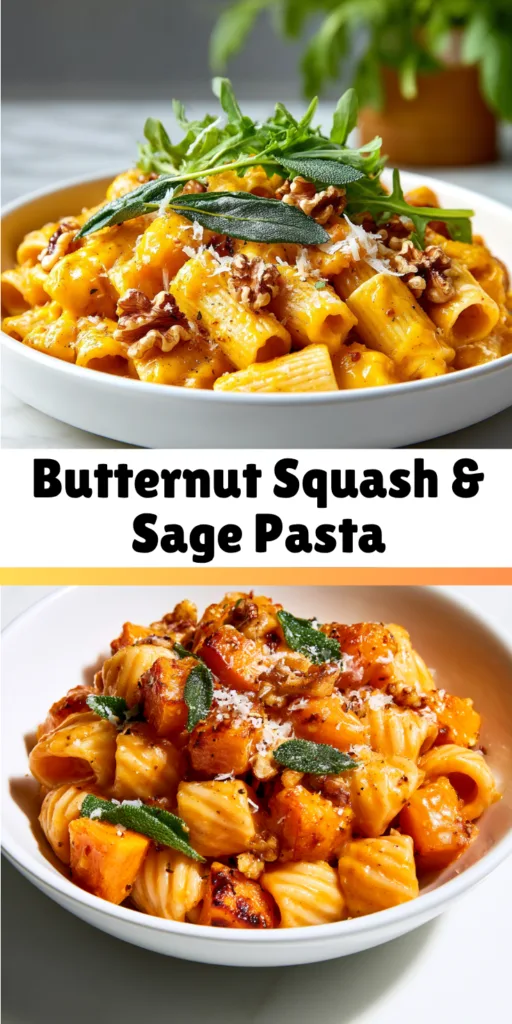
How to Make Butternut Squash Sage Pasta Step by Step
1. Prepare and Roast the Butternut Squash
Preheat your oven to 400°F (200°C). Peel and cut the butternut squash into approximately ¾-inch cubes so they cook evenly.
Place 3 cups of squash on a large baking sheet and toss with about 1½ tablespoons of olive oil, a pinch of salt, and freshly ground black pepper. Spread the pieces into a single layer rather than crowding them together.
Roast for 20–25 minutes, turning once if necessary. The squash is ready when a fork slides easily through the center and the edges have developed golden-brown caramelized spots. Those browned edges are important because they provide much deeper flavor than simply cooking the squash until soft.
2. Cook the Pasta Until Al Dente
While the squash roasts, bring a large pot of generously salted water to a rolling boil.
Add 12 ounces of pasta and cook according to the package directions until al dente. The pasta should be tender but retain a slight bite because it will cook briefly again when tossed with the hot sauce.
Before draining, carefully scoop out about 1 cup of pasta cooking water. Do not skip this step. The starch in the water is one of the secrets to creating a smooth sauce.
Drain the pasta without rinsing it.
3. Crisp the Fresh Sage
Heat the remaining olive oil and 2 tablespoons of butter in a large skillet over medium heat.
Once the butter is melted and foamy, carefully add the sage leaves. Fry for approximately 30 seconds per side, watching closely because delicate sage can burn quickly.
When the leaves look darker, crisp, and slightly curled at the edges, transfer them to a plate. They will become even crispier as they cool.
4. Build the Creamy Squash Sauce
Reduce the skillet to medium-low heat and add the minced garlic to the sage-infused butter. Cook for approximately 30–60 seconds, just until fragrant. Avoid browning the garlic heavily.
Add the roasted squash.
Using the back of a wooden spoon or a potato masher, gently crush approximately half of the squash while leaving the remaining pieces intact. This technique gives the finished pasta both creamy sauce and tender bites of roasted squash.
Pour in the optional ½ cup heavy cream and approximately ¼ cup reserved pasta water. Stir over low heat until everything combines into a velvety golden sauce.
Season with nutmeg, black pepper, and additional salt if needed.
5. Toss the Pasta With the Butternut Squash Sauce
Add the drained pasta directly to the skillet and toss thoroughly.
Sprinkle in the Parmesan a little at a time while continuing to toss. Add small splashes of reserved pasta water until the sauce becomes glossy and coats the noodles evenly.
The ideal sauce should look silky rather than watery or pasty. If it becomes too thick, another tablespoon or two of pasta water can quickly bring back that luxurious texture.
Let everything cook together for another 1–2 minutes over low heat.
6. Add the Final Autumn Touches
Remove the skillet from the heat and allow the pasta to sit for about 1 minute.
Divide among warm bowls and crumble some crispy sage over each serving, leaving a few whole leaves on top for presentation.
Finish with extra Parmesan, freshly cracked black pepper, chopped toasted walnuts or pine nuts, and, for an especially indulgent version, a small drizzle of browned butter.
Serve immediately while the pasta is creamy, glossy, and wonderfully fragrant.
Serving Suggestions for Cozy Butternut Squash Pasta
This creamy butternut squash pasta deserves a presentation that feels just as cozy as it tastes. For a relaxed family dinner, transfer everything to a large shallow serving platter and arrange whole crispy sage leaves across the top. Add a generous dusting of Parmesan, toasted walnuts, and black pepper before placing the platter in the middle of the table. A simple green salad with a bright vinaigrette makes an excellent companion because its acidity contrasts with the rich squash sauce. Roasted Brussels sprouts, broccolini, green beans, or garlic bread are equally delicious alongside it. For individual servings, twirl long pasta into wide bowls and arrange several caramelized squash cubes on top so their beautiful golden-orange color remains visible. Finish each portion with Parmesan and one perfect crispy sage leaf.
You can also turn the recipe into a fun autumn dinner bar when serving friends or family. Place the pasta in a large serving bowl and offer small dishes containing crispy sage, toasted walnuts, pine nuts, grated Parmesan, red pepper flakes, browned butter, and freshly cracked black pepper so everyone can customize a bowl. For lunchboxes or meal-prep portions, divide the pasta among containers and keep crunchy toppings separate until serving. At a holiday meal, serve smaller portions as a first course before roasted vegetables or another seasonal centerpiece. However you plate it, emphasize contrasting colors and textures. Golden squash, creamy pasta, dark green sage, snowy Parmesan, and toasted nuts make this simple dish feel special enough for an autumn celebration.
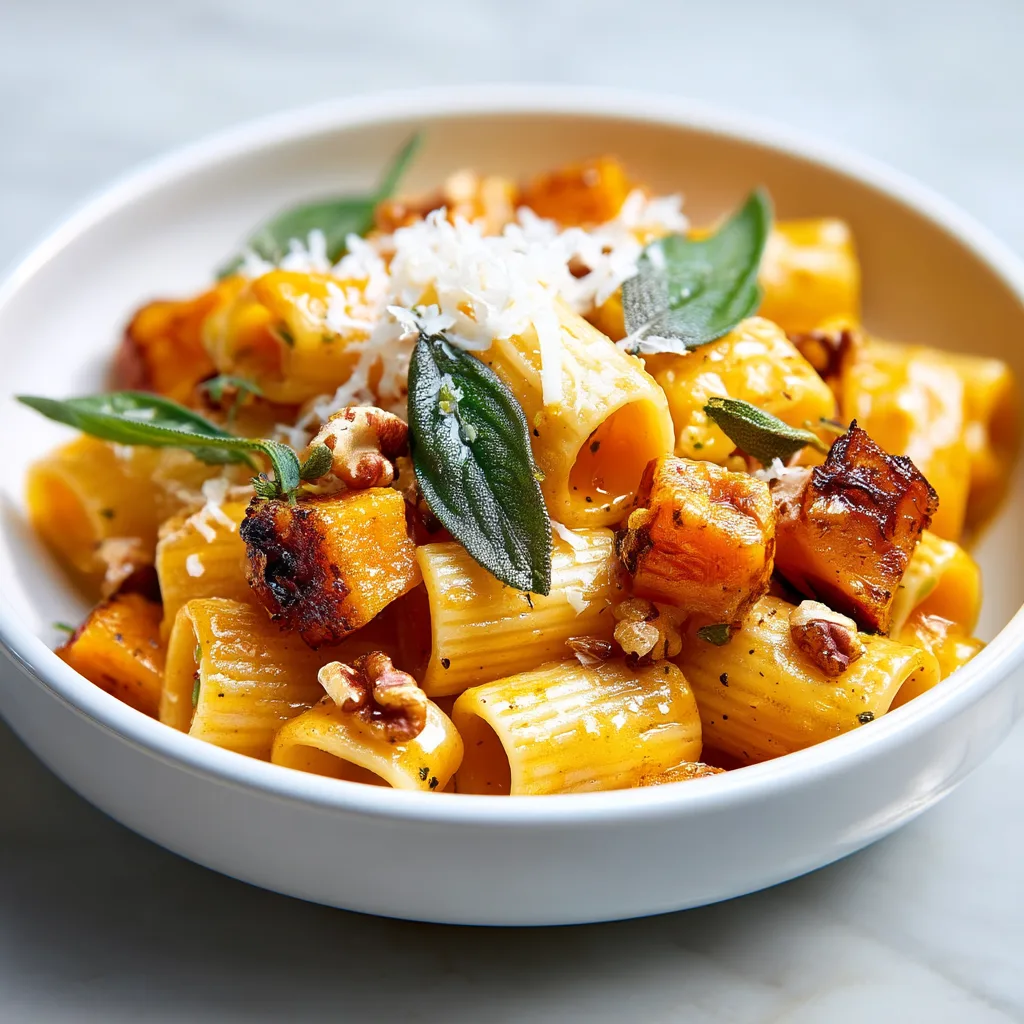
Storage and Meal Prep for Butternut Squash Sage Pasta
Leftover butternut squash and sage pasta can be stored successfully, although creamy pasta is always at its silkiest immediately after cooking. Allow leftovers to cool, then transfer them to an airtight container and refrigerate for up to 3–4 days. If you are intentionally preparing the recipe ahead, keep crispy sage leaves and toasted nuts in separate containers so they retain their crunch. The squash sauce itself can also be prepared in advance and refrigerated separately, making dinner especially quick on a busy evening. Freezing the plain roasted squash or squash sauce is generally more successful than freezing the fully assembled creamy pasta. Cooked pasta can soften after thawing, while cream-based sauces occasionally separate. Freeze squash sauce in an airtight freezer-safe container, then thaw it overnight in the refrigerator before reheating.
To reheat leftover pasta, place it in a skillet over low to medium-low heat and add a splash of water, milk, cream, or broth. Stir gently as it warms to loosen the sauce and restore its creamy consistency. Microwave reheating also works: add a teaspoon or two of liquid, cover loosely, and warm in short intervals, stirring between each one. Refreshing the dish after reheating makes an enormous difference. Add freshly grated Parmesan, cracked black pepper, and new crispy sage leaves instead of relying only on yesterday’s garnishes. A squeeze of lemon can brighten a sauce that tastes heavier on the second day, while toasted walnuts restore the original contrast between creamy and crunchy textures. With these small additions, leftovers can feel almost as inviting as the freshly prepared pasta.
Conclusion
Butternut Squash & Sage Pasta captures so many things we love about autumn cooking in one beautiful bowl. The sweetness of caramelized squash, earthy perfume of crispy sage, savory garlic, melted Parmesan, and silky pasta create layers of flavor from ingredients that remain pleasantly uncomplicated. It is warm and creamy enough for sweater-weather comfort, yet colorful and elegant enough to serve when friends or family gather around the table.
Make the recipe your own by choosing your favorite pasta shape, leaving out the cream for a lighter version, adding extra browned butter for indulgence, or piling toasted nuts and Parmesan over every bowl. However you customize it, this is the kind of seasonal pasta worth returning to whenever the evenings become cooler and comfort food starts calling. Try it for your next cozy autumn dinner, and share your favorite additions, substitutions, and serving ideas in the comments.