
Cheap fall dinner ideas work best when they combine an affordable base with enough flavor and texture to feel like a complete meal. Beans, eggs, potatoes, cabbage, rice, and pasta offer useful starting points. These sixteen ideas show how to turn them into warm dinners without claiming a single price that applies to every grocery store.
Look at the cost of the finished plate rather than only one ingredient. An inexpensive protein can become a costly meal if it needs several specialty sauces and garnishes. Choose one good finishing ingredient, then use simple vegetables and grains that also support another dinner later in the week.
The entries below are adaptable meal blueprints with brief cooking guidance, not sixteen fully measured standalone recipes. Open the related links for detailed recipes when appropriate. Start with what needs using soon, then add a bean meal, an egg meal, and a dinner that can become tomorrow’s lunch; this helps stretch shopping without repeating exactly the same plate every day.

Choose your fall dinner
1. Mushroom spinach baked ziti
Combine cooked ziti with sautéed mushrooms, spinach, tomato sauce, and ricotta, then bake under a light mozzarella topping. Cook the pasta slightly short of tender because it continues softening in the oven. A shallow baking dish gives more browned edges and makes portions easy to lift. Drain wet spinach thoroughly and cook moisture out of the mushrooms so the baked pasta does not become watery.
2. Ground beef mushroom noodles
Combine browned ground beef and sautéed mushrooms with egg noodles in a light broth and sour cream sauce. Cook the noodles separately, then turn the sauce heat low before stirring in sour cream. Black pepper and parsley finish the bowl neatly. Avoid boiling once the dairy is added, and thin the sauce with broth if the noodles absorb more liquid than expected.
3. Tofu broccoli sesame rice
Pan-sear well-dried tofu, add broccoli, and coat with a modest soy sesame sauce for a warming rice bowl. Press or pat the tofu dry before cooking and leave it undisturbed long enough to develop a golden surface. Ginger and rice vinegar balance the savory sauce. Check labels when cooking for gluten-sensitive diners, and use an appropriate certified gluten-free sauce rather than assuming ordinary soy sauce qualifies.
4. Chicken pot pie biscuit skillet
Make a chicken and vegetable filling in an oven-safe skillet, then top it with biscuits for a cozy supper. Thicken the filling before adding the topping, and follow the biscuit package’s oven directions rather than assuming every dough needs the same temperature. Keep the biscuits spaced apart so steam can escape and their sides have room to bake.
5. Chicken harvest couscous
Combine cooked couscous, chicken, roasted carrots, and chopped parsley for a warm harvest bowl with lemon dressing. Couscous cooks quickly while the vegetables roast, making this useful when you want a grain bowl without a long stovetop session. A spoonful of plain yogurt adds creamy contrast at serving. Fluff the couscous before adding the other ingredients and drizzle dressing gradually so the grains remain light rather than soggy.
6. Mushroom barley bowls
Combine cooked barley with browned mushrooms, roasted carrots, and a mustard vinaigrette for a warm autumn grain bowl. Start barley first because it cooks more slowly than the vegetables, or use a batch already prepared for the week. Beans or a fried egg can add substance. Dress the barley while warm so it absorbs flavor, then add fresh herbs just before serving for a brighter finish.
7. Pumpkin bean tomato rice
Simmer plain pumpkin puree with tomatoes and white beans, then spoon over rice for a simple pantry dinner. Garlic, smoked paprika, and a little rosemary move the flavor in a savory direction. Add spinach just before serving for an easy green component. Thin the mixture with broth until it becomes a spoonable sauce; canned pumpkin can make it much thicker than expected.
Easy Cheap Fall Dinner Ideas for Busy Weeknights
By Amanda · 16 dinner ideas
Choose comforting soups, pasta bakes, curries, and bowls for a flexible weekly menu.
8. Chicken tortellini harvest bowls
Combine cooked cheese tortellini with roasted butternut squash, Brussels sprouts, and shredded chicken for a substantial autumn dinner. Roast the vegetables separately from the pasta so their edges brown, then toss everything with a little broth, butter, and freshly grated Parmesan. A squeeze of lemon helps balance the sweet squash and rich cheese filling.
9. Chicken corn chowder
Build a chunky chowder with chicken, corn, potatoes, onion, broth, and milk for a satisfying fall dinner. Simmer the potatoes until tender before adding milk, then lower the heat to keep the soup smooth. Mash a few potato pieces into the broth if you want more body without a heavy roux.
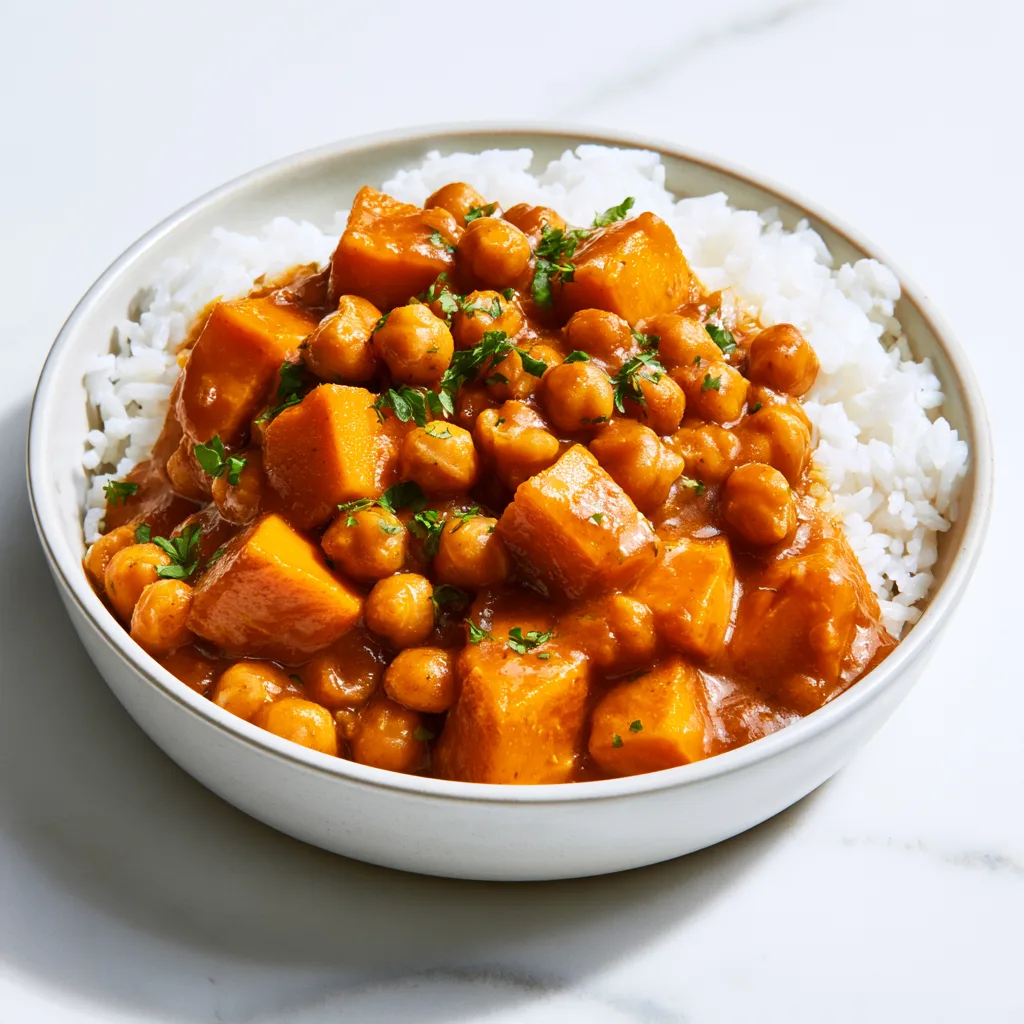
10. Chickpea sweet potato curry
Simmer chickpeas and sweet potatoes in a tomato coconut curry for a satisfying meatless fall meal. Cut potatoes evenly and keep the heat moderate so the sauce thickens while the centers become tender. Serve with rice and a squeeze of lime. Start with less curry paste or powder than you think you need, then adjust once the coconut milk and vegetables are incorporated.
11. Carrot ginger chickpea soup
Simmer carrots, chickpeas, onion, and ginger in broth, then blend until smooth for a bright, filling autumn soup. Add ginger gradually if your household prefers a gentle flavor, and use an immersion blender for convenient blending in the pot. Lemon and a spoonful of yogurt make useful finishes. Keep a few chickpeas whole for topping if you want texture, and serve with a cheese toast or warm pita.
12. Potato leek white bean soup
Simmer potatoes, cleaned leeks, and white beans in broth for a creamy soup without requiring a heavy dairy base. Mash or blend part of the pot after the potatoes soften, leaving some pieces intact. Chives and black pepper are easy finishing touches. Rinse between the leek layers carefully and use a gentle simmer to avoid reducing the broth before the potatoes become tender.
13. Chicken lentil curry
Simmer chicken, red lentils, tomatoes, and curry spices in broth or coconut milk for a warming autumn bowl. Red lentils break down as they cook, making the sauce naturally creamy, so stir occasionally and add liquid if the bottom begins catching. Rice and chopped cilantro make an uncomplicated serving combination.
14. Sausage squash Brussels sprouts tray
Roast butternut squash and Brussels sprouts with sliced fully cooked sausage for a colorful dinner that needs very little active attention. Give the squash a head start and add the sausage later, allowing the vegetables to soften without drying the meat. Finish with mustard and vinegar, then serve directly from the pan with bread or rice.
15. Lentil shepherd skillet
Make a savory lentil vegetable filling and top it with mashed potatoes for a comforting meatless shepherd-style dinner. Reduce the filling until thick enough to hold the topping, using cooked lentils and finely diced carrots for convenient assembly. Bake until the potatoes develop golden ridges. If you lack an oven-safe skillet, transfer everything to a baking dish or serve the lentil filling over separate mashed potatoes.
16. Gnocchi tomato mozzarella bake
Combine gnocchi with tomato sauce, spinach, and mozzarella for a bubbling bake that needs only a few familiar ingredients. Follow the gnocchi package directions before baking because refrigerated, frozen, and shelf-stable products behave differently. Use enough sauce to keep the center moist. Let the dish stand briefly before serving so the sauce settles, and pair with a crisp salad to balance the cheese.

Keep inexpensive dinners satisfying
Use beans or vegetables to stretch ground meat, but season the entire mixture so the added ingredients feel intentional. Choose one cheese you can use across several dinners instead of buying a different variety for every dish. Make a dressing from pantry mustard, vinegar, and oil when that suits the meal. Keep portion sizes practical and save any extra promptly. A meal that becomes a planned lunch can offer more value than a cheaper dinner whose leftovers nobody wants to eat.
Make-ahead and leftovers
Prepare only the components you know you will use. Refrigerate cooked food promptly in shallow containers rather than leaving a large pot on the counter to cool completely. Keep fresh herbs, crisp vegetables, bread, and sauces separate when their texture matters. Most cooked leftovers should be used within three to four days under proper refrigeration; freeze earlier when you do not expect to finish them. Reheat cooked leftovers thoroughly, using a thermometer when practical, and discard food whose storage history is uncertain. Changes in smell alone cannot confirm that a meal is safe.
Questions to ask before choosing a meal
What if I only have frozen vegetables?
Frozen vegetables can be useful, but choose their cooking method carefully. Add frozen peas or chopped greens directly to a simmering soup when appropriate. For roasting, expect extra moisture and allow more pan space; a frozen vegetable will not always brown like a fresh one. If a package gives specific preparation directions, follow those rather than applying the fresh vegetable timing automatically. In bowls and pasta, cook off excess moisture before adding a sauce so the finished meal does not become diluted.
How can I make dinner more filling?
Look at the whole plate before adding more of the richest ingredient. Beans, eggs, chicken, tofu, potatoes, and grains can contribute substance in different ways. A vegetable soup may benefit from white beans and toast, while a pasta dish may already have enough starch and simply need a vegetable or protein component. Adjust the serving size to the people eating and avoid describing a dish as high-protein or low-calorie without an actual nutrition calculation based on measured ingredients.
Can these ideas work for dietary needs?
Treat substitutions as ingredient decisions, not automatic guarantees. Gluten-free pasta needs its own package cooking directions, ordinary soy sauce may contain wheat, and sausage can include unexpected allergens. Cheese tortellini generally contains both wheat and dairy. Check every relevant label when cooking for someone with an allergy or restriction, and use separate clean equipment when required. For a vegetarian dinner, replace meat and meat broth together; removing the visible meat alone may leave other animal ingredients in the sauce.
How do I keep seasonal cooking practical?
Use seasonal ingredients where they improve the meal, but keep ordinary pantry food in the plan. Squash, cabbage, carrots, mushrooms, and apples can support several dinners without requiring every ingredient to be locally seasonal. Buy the quantity you can store and use, and switch to frozen or canned alternatives when they are more convenient. A reliable menu comes from knowing how ingredients cook and keeping the shopping list manageable, rather than collecting specialty products for a single autumn recipe.
Complete recipes to explore
For complete ingredient lists and detailed methods, explore Maple Dijon sausage and sweet potato sheet pan dinner, Easy Italian sausage zucchini soup, Kale and roasted butternut squash fall salad. Choose the recipe that matches your available cooking time, and check the ingredient list before adding it to your weekly shopping plan.