
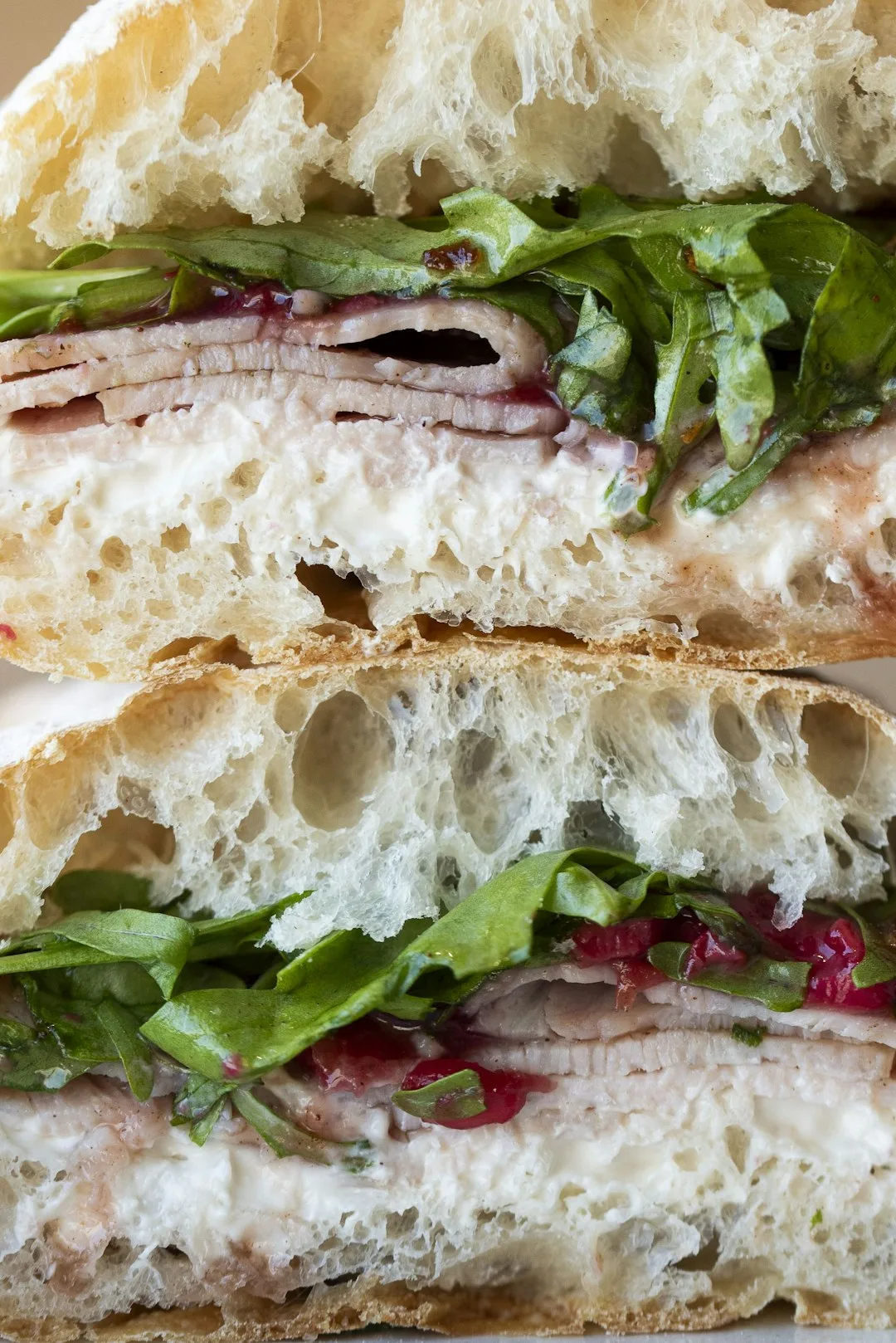
Crisp toasted bread, tender turkey, tangy cranberry sauce and creamy brie make this 15-minute panini an easy way to turn holiday leftovers into lunch. This recipe is designed for busy home cooks who want clear steps, useful substitutions and practical tips rather than complicated techniques.
Why You Will Love This Recipe
The tartness of cranberry sauce cuts through the richness of melted brie while turkey provides a savory foundation. The bread supplies the crunch that leftovers often lack. The combination tastes festive without requiring another elaborate meal, and it makes excellent use of a small portion of turkey that might not stretch to a full dinner. It is flexible enough for everyday meals and appealing enough to serve to family or friends. Read through the cooking instructions before beginning, because the order of adding ingredients is important for the finished texture.
Ingredients
- 4 slices sourdough or ciabatta bread
- 6 ounces cooked sliced turkey
- 3 ounces brie, sliced
- 3 tablespoons thick cranberry sauce
- 1 teaspoon Dijon mustard
- 1 tablespoon softened butter
- 1 handful baby arugula, optional
Step-by-Step Instructions
- Heat a panini press or heavy skillet over medium heat.
- Spread cranberry sauce on two bread slices and a thin layer of Dijon on the other two.
- Divide the turkey and brie evenly between the sandwiches, keeping the cheese away from the very edges.
- Add arugula if desired, close the sandwiches and lightly butter the outside surfaces.
- Press or cook for 3 to 4 minutes per side, turning carefully in a skillet, until the bread is golden and the cheese softens.
- Rest for one minute, cut diagonally and serve while the crust is crisp.
Choosing the Bread
Sourdough, ciabatta and sturdy country bread all work. Choose slices of similar thickness so both sides toast evenly. Very soft sandwich bread can compress too much under a press and may turn damp where it touches cranberry sauce. If the bread is thin, use less filling and cook over slightly gentler heat.
Using Leftover Turkey Safely
Use turkey that was refrigerated promptly after the holiday meal and stored at 40°F or colder. Cooked turkey leftovers generally keep for three to four days in the refrigerator. For a hot leftover-turkey sandwich, reheat the turkey to 165°F before assembly; the brief panini-press time alone may not heat a thick filling adequately.
The Best Cranberry Sauce
A thick homemade or store-bought cranberry sauce works better than a very runny one. If the sauce has separated, stir it and drain any excess liquid before spreading. Start with a thin layer; you can offer extra sauce for dipping. A little orange zest mixed into the sauce gives the sandwich a bright holiday accent.
Brie and Cheese Alternatives
Brie becomes wonderfully soft when warmed, but you do not need a large amount. Slice it thinly and distribute it over the turkey so every bite gets some cheese. The edible white rind can remain on. If brie is unavailable, fontina, mild provolone or a creamy havarti will melt nicely, although the flavor changes.
Panini Press Versus Skillet
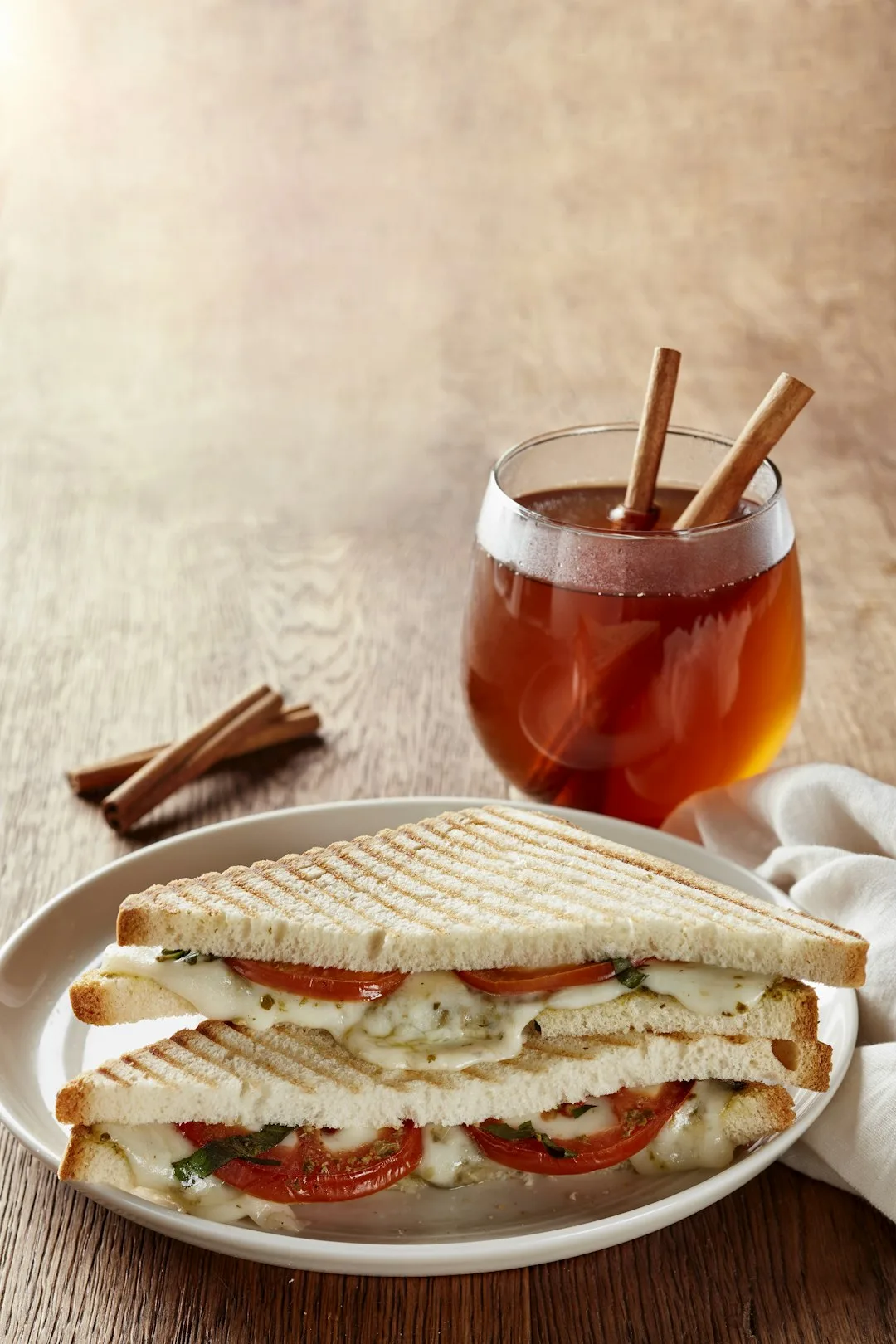
A press cooks both sides simultaneously and gives the most even marks. A skillet works just as well: place the sandwich in the hot pan and press it gently with another heavy pan or a spatula. Flip when the first side is golden. Keep the heat moderate so the crust does not burn before the center warms.
Avoiding a Soggy Sandwich
The simplest solution is to limit wet ingredients. Pat the turkey dry if it is sitting in juices, choose thick cranberry sauce and avoid adding watery tomato slices. Butter only the outer bread surfaces and toast immediately after assembly. If packing lunch for later, keep the sauce separate until you are ready to heat the sandwich.
Easy Flavor Variations
For a peppery note, add a small handful of arugula. Thin apple slices offer extra crunch and a sweet-tart contrast. A little whole-grain mustard makes the filling sharper, while a few caramelized onions add depth. Avoid stacking too many extras because a very tall sandwich is harder to press and more likely to slide apart.
What to Serve on the Side
A simple green salad with lemon vinaigrette balances the richness of the brie. A bowl of tomato soup turns the panini into a cozy cold-weather lunch. For a lighter plate, add cucumber slices or crisp apple wedges. If serving guests, cut the sandwiches into small triangles and arrange them on a platter.
Meal Prep and Reheating
This panini is best eaten just after cooking, when the bread is crisp. You can slice the cheese and turkey ahead and store them covered in the refrigerator. Assemble immediately before heating. To refresh a cooked sandwich, use a dry skillet or toaster oven rather than a microwave, which tends to soften the crust.
Shopping and Budget Tips
Buying the right quantities saves both time and money. Check what is already in your refrigerator before shopping, especially condiments and herbs that may be needed only in small amounts. Choose a few versatile ingredients that can work in another meal the next day. When possible, use seasonal produce, which is often better priced and has a pleasant flavor. Compare package sizes rather than buying the largest option automatically; leftovers are useful only if you have a plan to use them safely.
Preparing a Busy Kitchen
Set out a cutting board, sharp knife, measuring spoons and the cooking equipment before you begin. Keep raw and ready-to-eat foods on separate surfaces, and wash hands and utensils after handling meat. Read the steps once from beginning to end so you know which ingredients go in first and which are added later. This is particularly helpful for a fast weeknight recipe, where a short cooking window leaves little time to search for a missing item.
Flavor Adjustments for Different Tastes
If you prefer milder food, start with less pepper or mustard and add more at the table. For a brighter finish, try a little fresh lemon juice or chopped herbs when the dish is done. Taste before adding salt, especially when using prepared broth, cheese or sausage, because packaged ingredients can already contain a significant amount. Small adjustments preserve the original balance better than changing several ingredients at once.
How to Know the Recipe Is Ready
The clock is a useful guide, but the appearance and temperature of the food are more reliable. Look for the specific signs described in the method: a crisp crust, tender vegetables or a hot, gently simmering broth. If food is not ready at the suggested time, continue in short intervals. Avoid raising the heat suddenly, because that can scorch the exterior before the center is properly cooked.
Serving for Guests
For a casual gathering, prepare as many components ahead as food safety allows, then finish cooking close to serving time. Offer a simple side rather than adding several elaborate dishes. Put condiments and garnishes in small bowls so guests can adjust their portions. A clean platter or warm bowl makes even a straightforward recipe feel inviting. Keep perishable foods hot or refrigerated rather than leaving them out for an extended buffet.
Common Questions About Substitutions
A good substitute should perform the same job as the ingredient it replaces. Firm bread cannot always be replaced with a delicate roll, and a thick sauce may behave differently from a thin dressing. Similarly, raw ingredients may need a different cooking time than fully cooked ones. When making a change, consider moisture, salt, sweetness and texture together. Test a modest adjustment before changing the whole recipe for a large family meal.
Planning Lunches for the Week
Think about which components retain their texture during storage. Keep crunchy elements away from wet sauces until serving when possible. Divide cooked food into shallow containers so it cools quickly, label each container and refrigerate promptly. Prepare only as many portions as you can use within the recommended storage window. A little planning makes a quick recipe useful beyond the first meal without sacrificing flavor.
Kitchen Tools That Help
You do not need expensive specialty equipment. A dependable knife, a sturdy pan, a measuring set and a heat-resistant spatula handle most of the work. A food thermometer is especially valuable when reheating poultry or cooking raw meat. Choose cookware with enough space for the ingredients to cook evenly. Overcrowding can trap moisture, extend cooking time and make food less appealing.
Making the Recipe More Filling
To turn a light meal into a heartier one, pair it with a complementary food rather than simply doubling rich toppings. Whole grains, a crisp salad or an extra portion of vegetables can make the plate more satisfying. Consider the other dishes being served and adjust portion sizes accordingly. The aim is a balanced meal that leaves you comfortably full, not a recipe overloaded with unnecessary extras.
The Best Way to Handle Leftovers
Store perishable leftovers in the refrigerator within two hours, ideally in shallow covered containers. Reheat only the portion you plan to eat. The texture may change slightly after chilling, so use the reheating method that suits the dish rather than automatically choosing the microwave. When food develops an unusual smell or appearance, discard it; do not taste questionable leftovers to decide whether they are safe.
Five Frequently Asked Questions
What bread makes the best turkey cranberry panini?
Sturdy sourdough or ciabatta holds the filling and develops a crisp exterior.
Can I use deli turkey instead of leftovers?
Yes. Use freshly purchased sliced turkey and follow the storage instructions on its packaging.
What can replace brie?
Havarti, fontina or provolone all melt well, though the flavor will be less buttery.
Can I make a panini without a press?
Yes. Toast in a skillet over medium heat and press gently with a second pan.
Can I assemble these sandwiches ahead?
Prepare the components ahead, but assemble just before cooking to avoid soggy bread.
Recipe Card
15-Minute Turkey Cranberry Panini with Melted Brie
Ingredients: 4 slices sourdough or ciabatta bread; 6 ounces cooked sliced turkey; 3 ounces brie, sliced; 3 tablespoons thick cranberry sauce; 1 teaspoon Dijon mustard; 1 tablespoon softened butter; 1 handful baby arugula, optional.
- Heat a panini press or heavy skillet over medium heat.
- Spread cranberry sauce on two bread slices and a thin layer of Dijon on the other two.
- Divide the turkey and brie evenly between the sandwiches, keeping the cheese away from the very edges.
- Add arugula if desired, close the sandwiches and lightly butter the outside surfaces.
- Press or cook for 3 to 4 minutes per side, turning carefully in a skillet, until the bread is golden and the cheese softens.
- Rest for one minute, cut diagonally and serve while the crust is crisp.
Final Thoughts
Crisp toasted bread, tender turkey, tangy cranberry sauce and creamy brie make this 15-minute panini an easy way to turn holiday leftovers into lunch. Keep the ingredient amounts handy, follow the cooking order and make small adjustments based on your preferences. With a little practice, this leftover turkey cranberry panini can become a dependable addition to your weeknight rotation.