
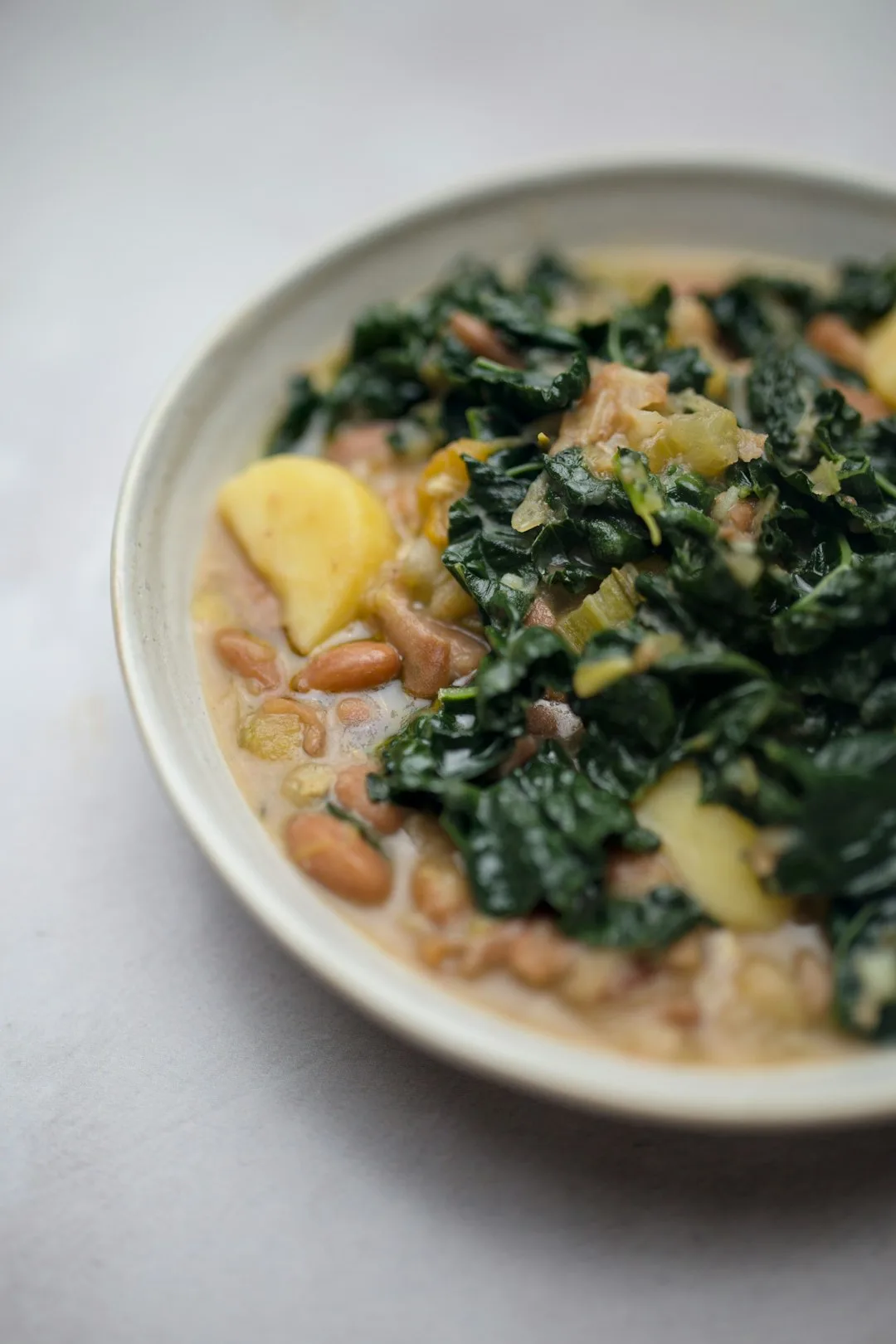
A cozy 20-minute white bean and kale soup made with canned beans, garlic, vegetable broth and lemon for a quick weeknight dinner. This recipe is designed for busy home cooks who want clear steps, useful substitutions and practical tips rather than complicated techniques.
Why You Will Love This Recipe
Canned cannellini beans are already cooked, so there is no overnight soaking or long simmer. Finely diced carrots soften quickly, and chopped kale wilts in minutes. Most of the cooking time is spent building a flavorful base with onion, garlic and herbs rather than waiting for dried beans to become tender. It is flexible enough for everyday meals and appealing enough to serve to family or friends. Read through the cooking instructions before beginning, because the order of adding ingredients is important for the finished texture.
Ingredients
- 2 tablespoons olive oil
- 1 small yellow onion, diced
- 2 medium carrots, diced small
- 3 garlic cloves, minced
- 1 teaspoon dried Italian seasoning
- 1/4 teaspoon red pepper flakes, optional
- 2 cans (15 ounces each) cannellini beans, rinsed and drained
- 4 cups low-sodium vegetable broth
- 3 packed cups chopped kale, tough stems removed
- 1 tablespoon fresh lemon juice
- Salt and black pepper to taste
- Grated Parmesan or nutritional yeast, optional
Step-by-Step Instructions
- Warm the olive oil in a soup pot over medium heat.
- Add onion and finely diced carrots and cook 4 to 5 minutes until beginning to soften.
- Stir in garlic, Italian seasoning and red pepper flakes; cook 30 seconds until fragrant.
- Add rinsed beans and broth, bring to a gentle boil and simmer for 6 to 8 minutes.
- Mash a ladleful of beans against the side of the pot to thicken the broth naturally.
- Stir in chopped kale and cook 3 to 4 minutes until tender but still green.
- Finish with lemon juice, taste for salt and pepper and serve hot.
Which White Beans to Use
Cannellini beans are creamy and hold their shape well. Great Northern beans are slightly smaller and also excellent. Navy beans produce a softer, more delicate texture. Rinse canned beans to remove the packing liquid and control the salt level. If using home-cooked beans, substitute about three cups of drained cooked beans.
Curly Kale Versus Lacinato
Both varieties work. Curly kale has frilly leaves and a slightly firmer bite; lacinato, also called Tuscan or dinosaur kale, has flatter leaves that become silky in soup. Strip the thick stems before chopping. Add kale near the end so it stays vibrant and does not develop an overcooked cabbage flavor.
Building Flavor in Minutes
Sautéing the onion and carrots in olive oil creates a sweet, aromatic foundation. Garlic needs only a short time in the hot oil, or it can burn and taste bitter. Dried Italian seasoning brings oregano and thyme notes. Lemon juice added at the end brightens the broth more effectively than lemon cooked for the entire simmer.
How to Make the Soup Creamier
You do not need cream or flour. Mash a few spoonfuls of beans directly in the pot, or blend about one cup of soup and stir it back in. This releases natural starch and thickens the broth. Start with a small amount; over-blending makes the soup more like a puree and hides the pleasant contrast of whole beans and leafy greens.
Choosing the Right Broth
Low-sodium vegetable broth gives you control over seasoning. Chicken broth also works if you are not making a vegetarian meal. Taste before adding extra salt, since canned beans and packaged broth vary widely. If the soup tastes flat, a little lemon juice or freshly cracked pepper may help more than another pinch of salt.
Adding Protein Without Losing Speed
The beans already provide plant protein and fiber. For a heartier dinner, add shredded cooked chicken, cooked turkey or a handful of precooked sausage slices near the end, heating thoroughly before serving. For a plant-based option, stir in cooked lentils. Keep the additions modest so the soup remains brothy and quick to prepare.
Vegetable Variations
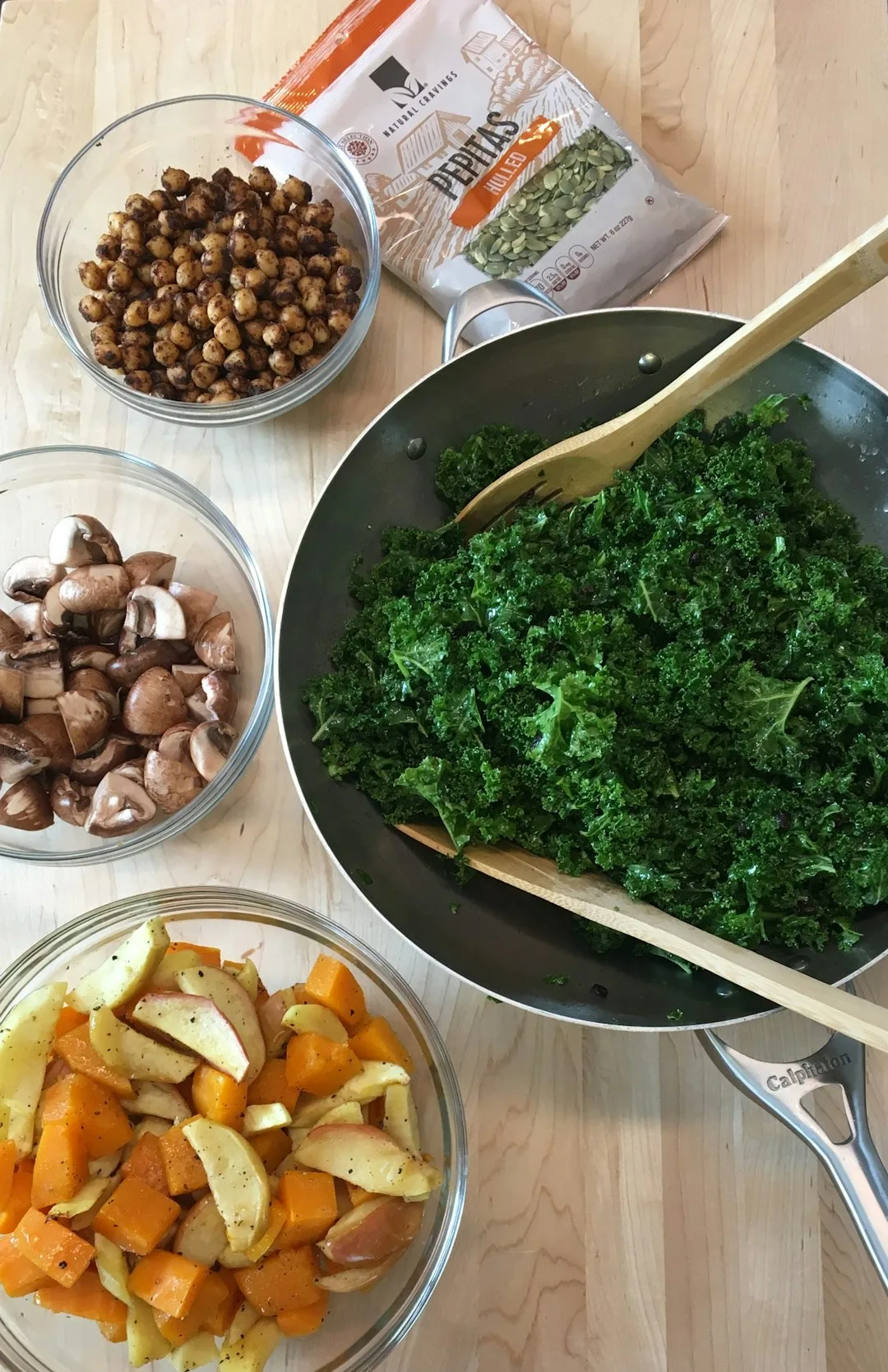
Small zucchini cubes, chopped spinach or a handful of frozen peas can be added with minor timing adjustments. Spinach wilts faster than kale and should go in at the very end. If adding potatoes, cut them into tiny cubes and allow extra simmering time until tender; otherwise the recipe will no longer be a true 20-minute soup.
Best Bread and Toppings
Serve with toasted sourdough, a crusty baguette or whole-grain bread. A drizzle of olive oil adds richness. Parmesan gives a salty finish, while nutritional yeast offers a dairy-free savory note. Fresh parsley and a little lemon zest are attractive garnishes. Keep toppings light so the beans and greens remain the stars.
Storage, Freezing and Reheating
Cool the soup promptly and refrigerate in covered containers for three to four days. It freezes well for about two months for best quality, although kale may soften. Reheat gently on the stovetop until hot throughout. Beans absorb broth during storage, so add a splash of water or stock when reheating if the soup has become thick.
Shopping and Budget Tips
Buying the right quantities saves both time and money. Check what is already in your refrigerator before shopping, especially condiments and herbs that may be needed only in small amounts. Choose a few versatile ingredients that can work in another meal the next day. When possible, use seasonal produce, which is often better priced and has a pleasant flavor. Compare package sizes rather than buying the largest option automatically; leftovers are useful only if you have a plan to use them safely.
Preparing a Busy Kitchen
Set out a cutting board, sharp knife, measuring spoons and the cooking equipment before you begin. Keep raw and ready-to-eat foods on separate surfaces, and wash hands and utensils after handling meat. Read the steps once from beginning to end so you know which ingredients go in first and which are added later. This is particularly helpful for a fast weeknight recipe, where a short cooking window leaves little time to search for a missing item.
Flavor Adjustments for Different Tastes
If you prefer milder food, start with less pepper or mustard and add more at the table. For a brighter finish, try a little fresh lemon juice or chopped herbs when the dish is done. Taste before adding salt, especially when using prepared broth, cheese or sausage, because packaged ingredients can already contain a significant amount. Small adjustments preserve the original balance better than changing several ingredients at once.
How to Know the Recipe Is Ready
The clock is a useful guide, but the appearance and temperature of the food are more reliable. Look for the specific signs described in the method: a crisp crust, tender vegetables or a hot, gently simmering broth. If food is not ready at the suggested time, continue in short intervals. Avoid raising the heat suddenly, because that can scorch the exterior before the center is properly cooked.
Serving for Guests
For a casual gathering, prepare as many components ahead as food safety allows, then finish cooking close to serving time. Offer a simple side rather than adding several elaborate dishes. Put condiments and garnishes in small bowls so guests can adjust their portions. A clean platter or warm bowl makes even a straightforward recipe feel inviting. Keep perishable foods hot or refrigerated rather than leaving them out for an extended buffet.
Common Questions About Substitutions
A good substitute should perform the same job as the ingredient it replaces. Firm bread cannot always be replaced with a delicate roll, and a thick sauce may behave differently from a thin dressing. Similarly, raw ingredients may need a different cooking time than fully cooked ones. When making a change, consider moisture, salt, sweetness and texture together. Test a modest adjustment before changing the whole recipe for a large family meal.
Planning Lunches for the Week
Think about which components retain their texture during storage. Keep crunchy elements away from wet sauces until serving when possible. Divide cooked food into shallow containers so it cools quickly, label each container and refrigerate promptly. Prepare only as many portions as you can use within the recommended storage window. A little planning makes a quick recipe useful beyond the first meal without sacrificing flavor.
Kitchen Tools That Help
You do not need expensive specialty equipment. A dependable knife, a sturdy pan, a measuring set and a heat-resistant spatula handle most of the work. A food thermometer is especially valuable when reheating poultry or cooking raw meat. Choose cookware with enough space for the ingredients to cook evenly. Overcrowding can trap moisture, extend cooking time and make food less appealing.
Making the Recipe More Filling
To turn a light meal into a heartier one, pair it with a complementary food rather than simply doubling rich toppings. Whole grains, a crisp salad or an extra portion of vegetables can make the plate more satisfying. Consider the other dishes being served and adjust portion sizes accordingly. The aim is a balanced meal that leaves you comfortably full, not a recipe overloaded with unnecessary extras.
The Best Way to Handle Leftovers
Store perishable leftovers in the refrigerator within two hours, ideally in shallow covered containers. Reheat only the portion you plan to eat. The texture may change slightly after chilling, so use the reheating method that suits the dish rather than automatically choosing the microwave. When food develops an unusual smell or appearance, discard it; do not taste questionable leftovers to decide whether they are safe.
Five Frequently Asked Questions
Can I use canned white beans?
Yes. Canned beans are the reason this soup cooks so quickly. Rinse and drain them first.
Which kale is best for soup?
Curly and lacinato kale both work; remove tough stems and chop the leaves.
Can I freeze white bean and kale soup?
Yes. Freeze cooled portions in airtight containers and thaw in the refrigerator.
How can I add more protein?
Add cooked chicken, turkey or lentils, and heat thoroughly before serving.
What bread goes with white bean soup?
Crusty sourdough or whole-grain toast is ideal for dipping into the broth.
Recipe Card
20-Minute White Bean and Kale Soup for Busy Weeknights
Ingredients: 2 tablespoons olive oil; 1 small yellow onion, diced; 2 medium carrots, diced small; 3 garlic cloves, minced; 1 teaspoon dried Italian seasoning; 1/4 teaspoon red pepper flakes, optional; 2 cans (15 ounces each) cannellini beans, rinsed and drained; 4 cups low-sodium vegetable broth; 3 packed cups chopped kale, tough stems removed; 1 tablespoon fresh lemon juice; Salt and black pepper to taste; Grated Parmesan or nutritional yeast, optional.
- Warm the olive oil in a soup pot over medium heat.
- Add onion and finely diced carrots and cook 4 to 5 minutes until beginning to soften.
- Stir in garlic, Italian seasoning and red pepper flakes; cook 30 seconds until fragrant.
- Add rinsed beans and broth, bring to a gentle boil and simmer for 6 to 8 minutes.
- Mash a ladleful of beans against the side of the pot to thicken the broth naturally.
- Stir in chopped kale and cook 3 to 4 minutes until tender but still green.
- Finish with lemon juice, taste for salt and pepper and serve hot.
Final Thoughts
A cozy 20-minute white bean and kale soup made with canned beans, garlic, vegetable broth and lemon for a quick weeknight dinner. Keep the ingredient amounts handy, follow the cooking order and make small adjustments based on your preferences. With a little practice, this fast white bean and kale soup can become a dependable addition to your weeknight rotation.