
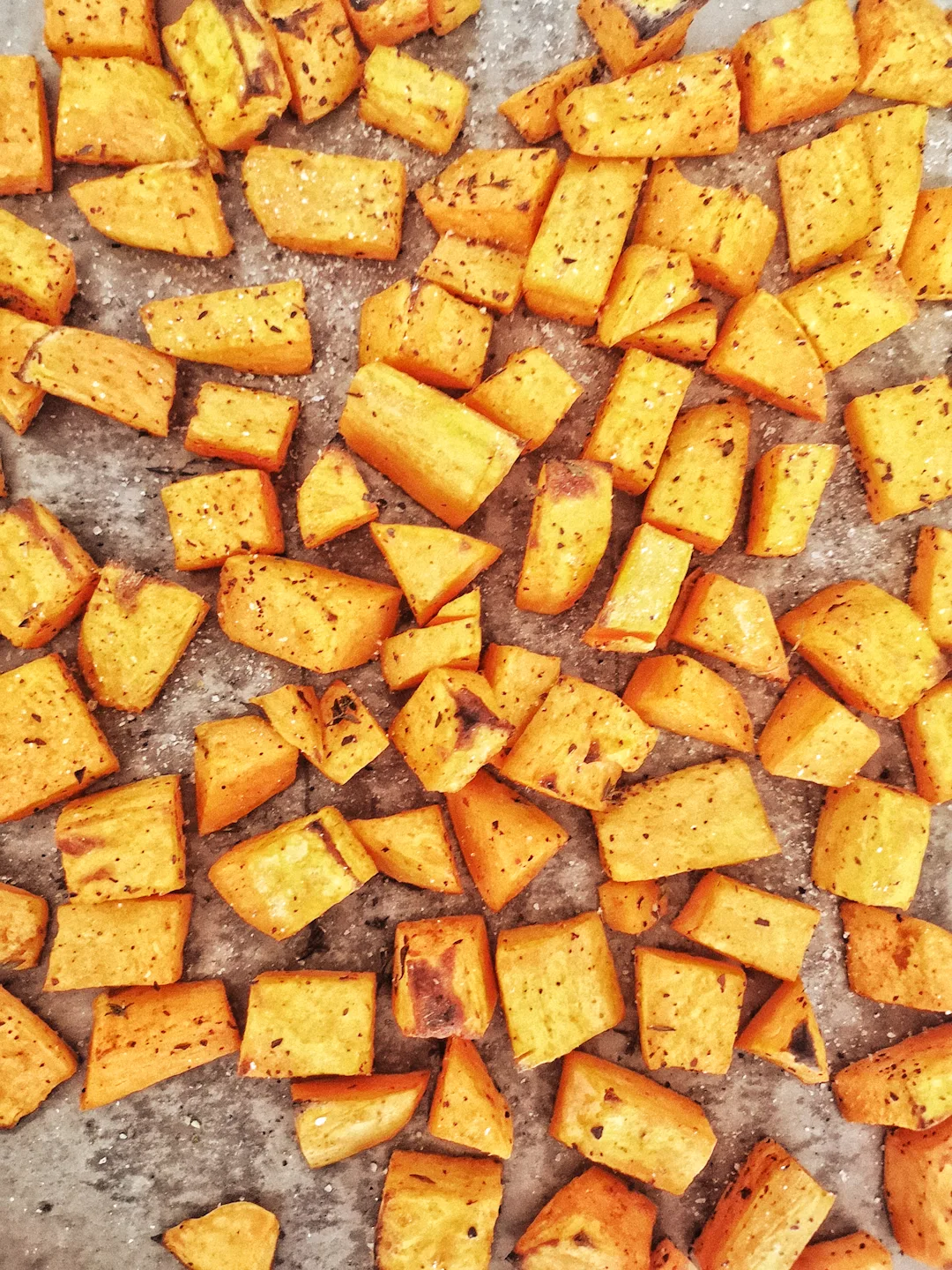
A simple sheet pan dinner with chicken sausage, sweet potatoes, apples and red onion, roasted until caramelized with very little cleanup. This recipe is designed for busy home cooks who want clear steps, useful substitutions and practical tips rather than complicated techniques.
Why You Will Love This Recipe
Savory chicken sausage balances the natural sweetness of roasted apples and sweet potatoes. Red onion adds a gentle sharpness, while smoked paprika and thyme keep the dish firmly in dinner territory. Everything cooks on one pan, so there are fewer dishes to wash and the browned edges provide flavor without a separate sauce. It is flexible enough for everyday meals and appealing enough to serve to family or friends. Read through the cooking instructions before beginning, because the order of adding ingredients is important for the finished texture.
Ingredients
- 12 ounces fully cooked chicken sausage, sliced into thick coins
- 2 medium sweet potatoes, cut into 3/4-inch cubes
- 2 crisp apples, cored and cut into wedges
- 1 red onion, cut into thick wedges
- 2 tablespoons olive oil
- 1 teaspoon smoked paprika
- 1 teaspoon dried thyme
- 1/2 teaspoon garlic powder
- 1/2 teaspoon kosher salt, or to taste
- Freshly ground black pepper
- 1 tablespoon Dijon mustard
- 1 teaspoon maple syrup, optional
Step-by-Step Instructions
- Preheat the oven to 425°F and line a large rimmed baking sheet with parchment.
- Toss the sweet potato cubes and onion wedges with olive oil, paprika, thyme, garlic powder, salt and pepper.
- Spread in a single layer and roast for 15 minutes, turning once if the edges brown quickly.
- Add the apple wedges and sliced fully cooked chicken sausage. Toss gently with the vegetables.
- Roast for another 12 to 15 minutes until the sweet potatoes are tender and the sausage is hot throughout.
- Whisk Dijon with maple syrup and a teaspoon of warm water, drizzle lightly over the pan and serve.
Choose Fully Cooked Chicken Sausage
This timing assumes fully cooked sausage, not raw links. Check the label carefully. Fully cooked sausage only needs to heat through and brown slightly, which is why it joins the pan after the sweet potatoes have started roasting. If using raw poultry sausage, follow the package instructions and cook it to 165°F, adjusting the method and timing accordingly.
Cut Sweet Potatoes Evenly
Three-quarter-inch cubes are a useful size because they soften without falling apart. Pieces that are much larger can remain firm after the sausage and apples are ready. Peeling is optional if the skins are well scrubbed and you enjoy the texture. Dry the cubes before tossing with oil to encourage browning rather than steaming.
Best Apples for Roasting
Honeycrisp, Pink Lady and Granny Smith hold their shape better than very soft apples. Choose firm fruit and cut thick wedges so the pieces do not turn into applesauce. Adding apples halfway through cooking is important: they need less time than sweet potatoes and should emerge tender with lightly browned edges, not collapsed.
Why the Oven Should Be Hot
At 425°F, the vegetables develop caramelized edges while the interiors become tender. A lower temperature can leave the pan pale and wet, especially if it is crowded. Use a large rimmed baking sheet and spread ingredients out. If your pan is small, divide the mixture between two sheets instead of piling it into a deep layer.
Seasoning the Vegetables
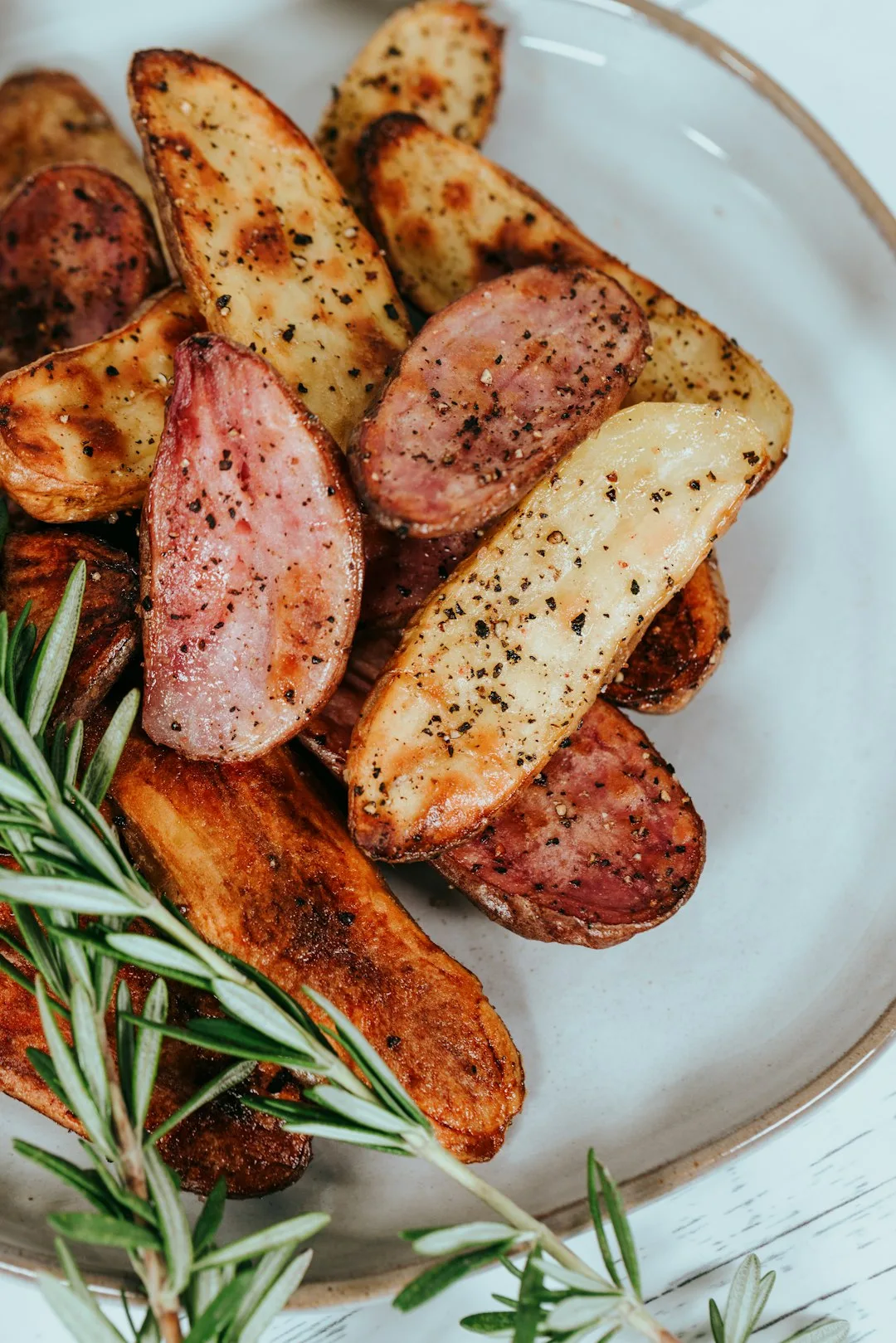
Smoked paprika gives subtle warmth, thyme adds a woodsy note, and garlic powder distributes evenly over the cubes. Toss the sweet potatoes and onion thoroughly so every piece has a light coating of oil and seasoning. Avoid adding the maple glaze at the beginning because its sugar can darken too quickly in a hot oven.
Getting the Timing Right
Sweet potatoes need a head start, so roast them for about fifteen minutes before adding the apples and sausage. After the second roasting stage, pierce a sweet potato cube with a fork: it should slide in easily. The sausage should be hot throughout and the apples should retain their shape. Adjust by a few minutes based on the size of your cuts.
Avoiding a Watery Sheet Pan
Do not overcrowd the pan. Moisture from apples and onions must evaporate for the edges to brown. Pat produce dry after washing, and avoid covering the sheet with foil while roasting. If the pan looks wet near the end, spread the pieces farther apart and give them several more minutes, watching carefully to prevent burning.
A Quick Mustard Finish
Dijon mustard adds tang that keeps the dish from tasting overly sweet. Whisk it with a teaspoon of maple syrup and a little warm water for a thin drizzle. You can skip the maple syrup if your sausage already has a sweet glaze. Add the dressing after roasting, not before, so the mustard remains bright and does not scorch.
Easy Additions and Swaps
Brussels sprouts or broccoli florets can join the sweet potatoes if cut small enough to roast at the same rate. Use pears instead of apples for a softer, sweeter variation, adding them later if very ripe. Turkey sausage can replace chicken sausage if it is fully cooked. A sprinkle of chopped parsley adds color just before serving.
What to Serve with This Dinner
This dish is filling on its own, but a simple green salad provides freshness. For bigger appetites, serve it over cooked quinoa, brown rice or farro. A spoonful of plain Greek yogurt mixed with lemon makes a cool sauce. Keep sides straightforward because the pan already contains protein, vegetables and fruit.
Meal Prep and Leftovers
Cut the sweet potatoes and onion ahead, storing them covered in the refrigerator. Cut apples closer to cooking time to prevent browning. Refrigerate cooked leftovers within two hours and use within three to four days. Reheat on a baking sheet in a moderate oven to bring back some roasted texture; a microwave works but softens the edges.
Shopping and Budget Tips
Buying the right quantities saves both time and money. Check what is already in your refrigerator before shopping, especially condiments and herbs that may be needed only in small amounts. Choose a few versatile ingredients that can work in another meal the next day. When possible, use seasonal produce, which is often better priced and has a pleasant flavor. Compare package sizes rather than buying the largest option automatically; leftovers are useful only if you have a plan to use them safely.
Preparing a Busy Kitchen
Set out a cutting board, sharp knife, measuring spoons and the cooking equipment before you begin. Keep raw and ready-to-eat foods on separate surfaces, and wash hands and utensils after handling meat. Read the steps once from beginning to end so you know which ingredients go in first and which are added later. This is particularly helpful for a fast weeknight recipe, where a short cooking window leaves little time to search for a missing item.
Flavor Adjustments for Different Tastes
If you prefer milder food, start with less pepper or mustard and add more at the table. For a brighter finish, try a little fresh lemon juice or chopped herbs when the dish is done. Taste before adding salt, especially when using prepared broth, cheese or sausage, because packaged ingredients can already contain a significant amount. Small adjustments preserve the original balance better than changing several ingredients at once.
How to Know the Recipe Is Ready
The clock is a useful guide, but the appearance and temperature of the food are more reliable. Look for the specific signs described in the method: a crisp crust, tender vegetables or a hot, gently simmering broth. If food is not ready at the suggested time, continue in short intervals. Avoid raising the heat suddenly, because that can scorch the exterior before the center is properly cooked.
Serving for Guests
For a casual gathering, prepare as many components ahead as food safety allows, then finish cooking close to serving time. Offer a simple side rather than adding several elaborate dishes. Put condiments and garnishes in small bowls so guests can adjust their portions. A clean platter or warm bowl makes even a straightforward recipe feel inviting. Keep perishable foods hot or refrigerated rather than leaving them out for an extended buffet.
Common Questions About Substitutions
A good substitute should perform the same job as the ingredient it replaces. Firm bread cannot always be replaced with a delicate roll, and a thick sauce may behave differently from a thin dressing. Similarly, raw ingredients may need a different cooking time than fully cooked ones. When making a change, consider moisture, salt, sweetness and texture together. Test a modest adjustment before changing the whole recipe for a large family meal.
Planning Lunches for the Week
Think about which components retain their texture during storage. Keep crunchy elements away from wet sauces until serving when possible. Divide cooked food into shallow containers so it cools quickly, label each container and refrigerate promptly. Prepare only as many portions as you can use within the recommended storage window. A little planning makes a quick recipe useful beyond the first meal without sacrificing flavor.
Kitchen Tools That Help
You do not need expensive specialty equipment. A dependable knife, a sturdy pan, a measuring set and a heat-resistant spatula handle most of the work. A food thermometer is especially valuable when reheating poultry or cooking raw meat. Choose cookware with enough space for the ingredients to cook evenly. Overcrowding can trap moisture, extend cooking time and make food less appealing.
Making the Recipe More Filling
To turn a light meal into a heartier one, pair it with a complementary food rather than simply doubling rich toppings. Whole grains, a crisp salad or an extra portion of vegetables can make the plate more satisfying. Consider the other dishes being served and adjust portion sizes accordingly. The aim is a balanced meal that leaves you comfortably full, not a recipe overloaded with unnecessary extras.
The Best Way to Handle Leftovers
Store perishable leftovers in the refrigerator within two hours, ideally in shallow covered containers. Reheat only the portion you plan to eat. The texture may change slightly after chilling, so use the reheating method that suits the dish rather than automatically choosing the microwave. When food develops an unusual smell or appearance, discard it; do not taste questionable leftovers to decide whether they are safe.
Five Frequently Asked Questions
Which apples are best for sheet pan dinners?
Firm Honeycrisp, Pink Lady or Granny Smith apples hold their shape well.
Does the sausage need to be precooked?
This recipe uses fully cooked chicken sausage. Raw sausage requires a different cooking time and must reach 165°F.
What oven temperature works best?
425°F gives the sweet potatoes browned edges while keeping the apples tender.
Can I prepare everything in the morning?
Cut the vegetables ahead and refrigerate them, but slice apples closer to roasting.
Can I add leafy greens?
Yes. Toss fresh spinach or baby kale with the hot roasted mixture just before serving so it wilts lightly.
Recipe Card
Sheet Pan Chicken Sausage with Sweet Potatoes and Apples
Ingredients: 12 ounces fully cooked chicken sausage, sliced into thick coins; 2 medium sweet potatoes, cut into 3/4-inch cubes; 2 crisp apples, cored and cut into wedges; 1 red onion, cut into thick wedges; 2 tablespoons olive oil; 1 teaspoon smoked paprika; 1 teaspoon dried thyme; 1/2 teaspoon garlic powder; 1/2 teaspoon kosher salt, or to taste; Freshly ground black pepper; 1 tablespoon Dijon mustard; 1 teaspoon maple syrup, optional.
- Preheat the oven to 425°F and line a large rimmed baking sheet with parchment.
- Toss the sweet potato cubes and onion wedges with olive oil, paprika, thyme, garlic powder, salt and pepper.
- Spread in a single layer and roast for 15 minutes, turning once if the edges brown quickly.
- Add the apple wedges and sliced fully cooked chicken sausage. Toss gently with the vegetables.
- Roast for another 12 to 15 minutes until the sweet potatoes are tender and the sausage is hot throughout.
- Whisk Dijon with maple syrup and a teaspoon of warm water, drizzle lightly over the pan and serve.
Final Thoughts
A simple sheet pan dinner with chicken sausage, sweet potatoes, apples and red onion, roasted until caramelized with very little cleanup. Keep the ingredient amounts handy, follow the cooking order and make small adjustments based on your preferences. With a little practice, this sheet pan chicken sausage and apples can become a dependable addition to your weeknight rotation.